Measure airflow. Don’t feel it.
Your hand is not an airflow instrument. Verify fan settings, static pressure, duct conditions, and actual system performance.

TALKING COMFORT LIVE • ON DEMAND
Experience makes HVAC professionals faster and more confident - but familiarity can also make us skip steps, see what we expect to see, or dismiss the warning that something isn't right. This episode is about one habit that keeps experience working for you: verify.
Pattern recognition is one of the biggest advantages an experienced technician has. It helps you diagnose faster, install more efficiently, and recognize problems before they become callbacks.
But the same familiarity can become a liability when it turns into assumption. The disconnect is probably off. The airflow feels fine. The line set should be long enough. The wiring has to be right. The error code usually means the board.
This month, the Talking Comfort LIVE team looked at the moments when experience should not be the end of the thought process - it should be the reason you know what to verify next.
Craig Lynch shared a story from 2011 that still affects him today. He had estimated a job for two technicians, but a schedule change left him working alone on a large unit while standing on a tall ladder. He knew the situation felt unsafe. He even called his wife and told her he probably should not do the job.
He did it anyway.
While removing a large blower assembly, the ladder shifted. Craig fell, badly injured his leg, and was out of work for two years. Fifteen years later, he is still dealing with the injury.
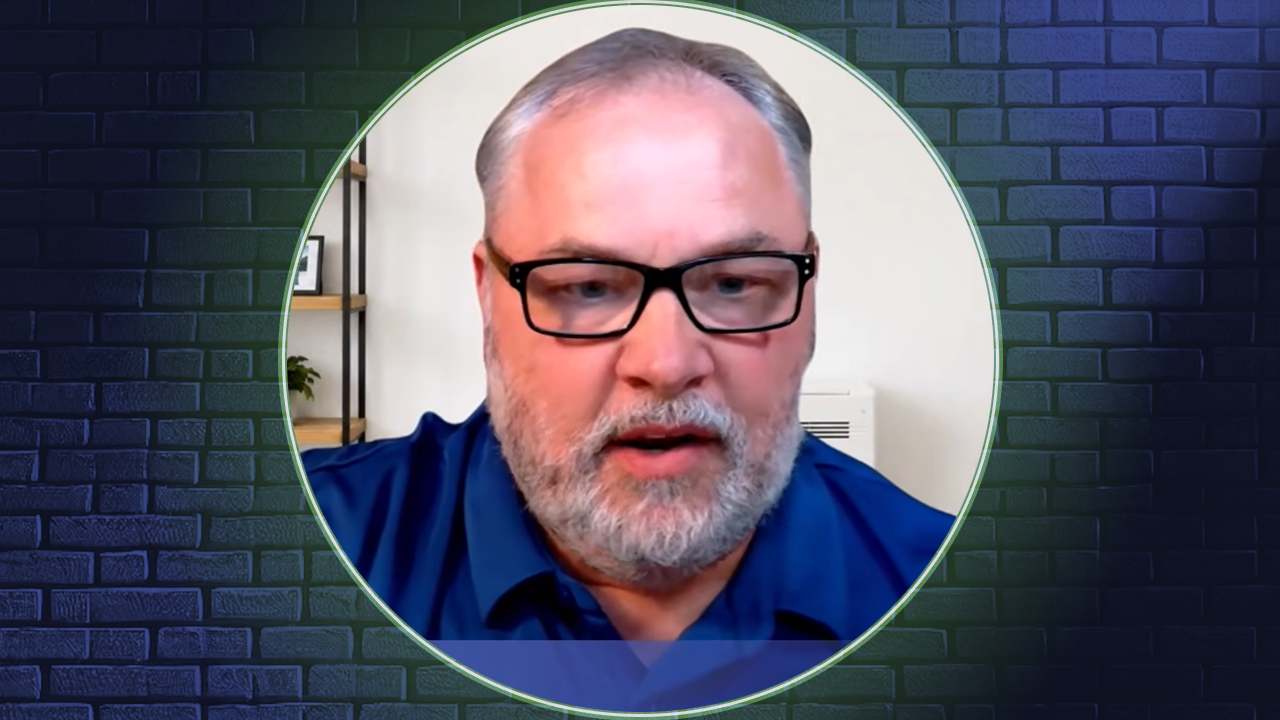
Why it matters: Experience can make a dangerous situation feel manageable because we have gotten away with it before. Sometimes the most experienced decision a technician can make is to stop, ask for help, and come back when the job can be done safely.
“I know it’s right” is a familiar sentence on tech-support calls. The problem is that the equipment does not care how confident we are.
The team walked through several places where assumptions commonly sneak into an installation or service call: multi-zone piping and wiring, airflow, minimum line-set requirements, manufacturer-specific installation details, and commissioning.
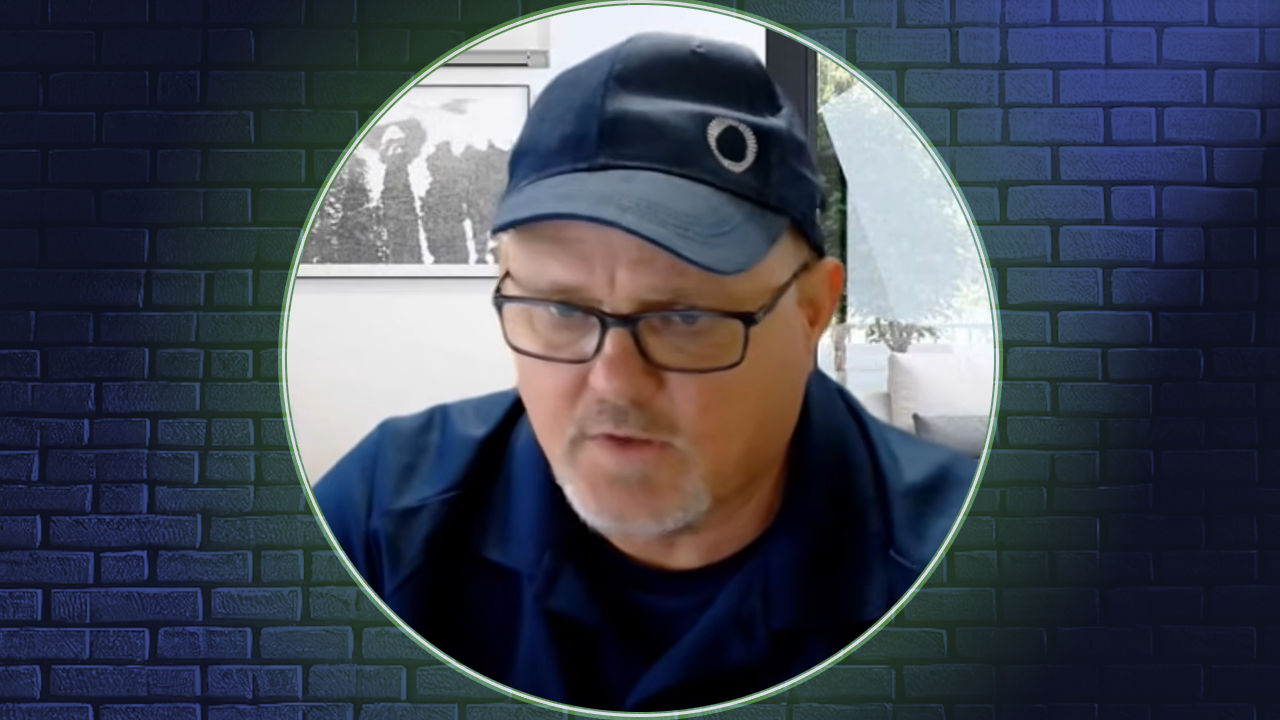
“Just because it’s running doesn’t mean it’s working properly.”
Greg Brunts
Why it matters: A new model, refrigerant, control strategy, piping requirement, or existing duct condition can invalidate what worked on the last job. Experience tells you where to look; verification tells you what is actually there.
Experienced technicians recognize patterns quickly. That is useful - until the familiar symptom becomes the diagnosis before the diagnostic process has actually happened.
The discussion moved from a joking “I know what’s wrong with it” into a practical warning about jumping from an error code or symptom directly to the last box on a troubleshooting flowchart.
Before replacing the board or the component that “usually causes this,” go back through the process: verify incoming voltage, confirm service valves, take the refrigerant readings, follow the sequence, and eliminate the basic possibilities.
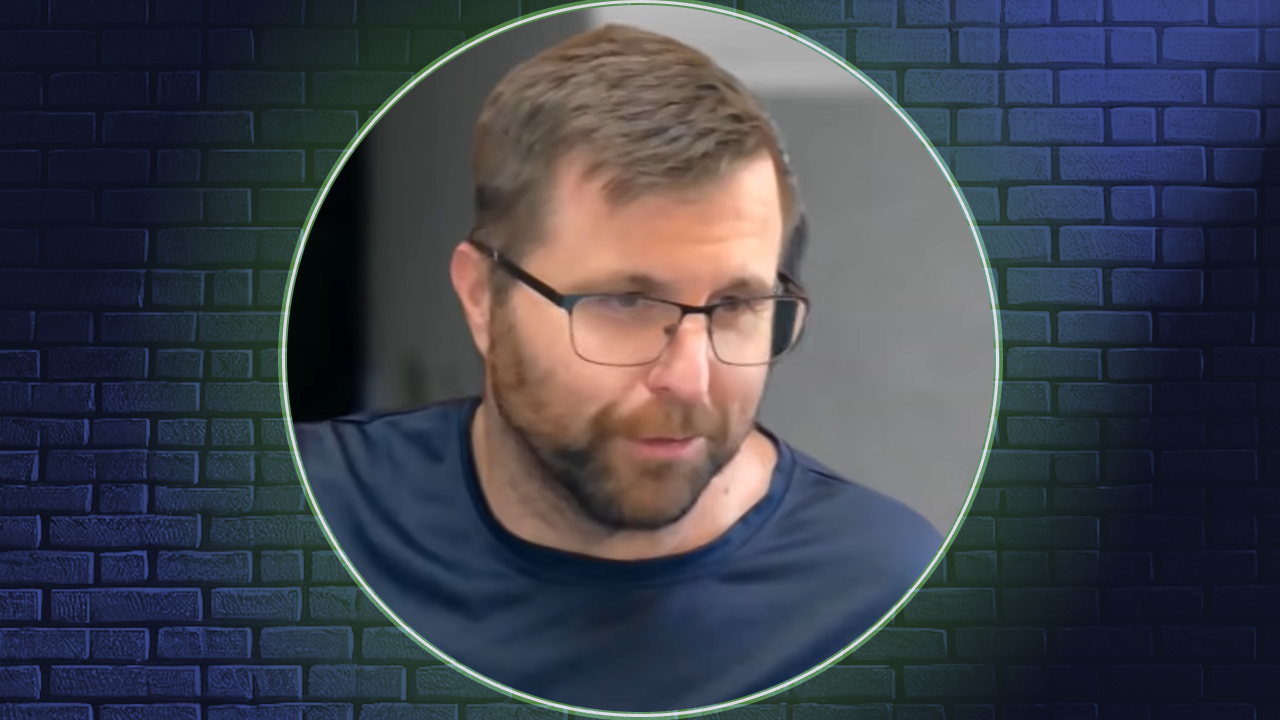
“Hook your gauges up first. I don't care what the Blue guys say, hook your gauges up.”
Talking Comfort LIVE
Why it matters: The goal is not to ignore experience. It is to keep experience from turning into confirmation bias. The best shortcut is knowing which check to perform first - not skipping the checks entirely.
Your hand is not an airflow instrument. Verify fan settings, static pressure, duct conditions, and actual system performance.
Manufacturer-specific requirements, refrigerant changes, new models, piping and control strategies can change the rules.
A system can complete a startup and still be wrong. Check operating data and return to verify the opposite mode when weather permits.
Unusual measurements, unfamiliar equipment, fatigue, rushing, or the internal feeling that something is wrong are all reasons to slow down and reassess.
Experience builds pattern recognition, but that can also create premature diagnosis. A familiar symptom or error code can cause a technician to jump to the component that usually fails instead of verifying voltage, refrigerant conditions, wiring, airflow, valve position, and the other steps in the diagnostic sequence.
Airflow that feels acceptable may still be outside the system’s required operating range. Proper measurement can reveal incorrect fan settings, restrictive ductwork, damaged flex duct, or conditions that can contribute to poor performance and repeated system problems.
Extreme outdoor temperatures can make it difficult to meaningfully verify both heating and cooling during the initial startup. When that happens, the technician can commission the mode that can be tested properly and schedule a return visit to verify the opposite mode under appropriate conditions.
Stop and reassess the situation. Make the unsafe condition known, ask for help, and postpone the work if necessary. Experience should not be used to justify working through conditions that cannot be controlled safely.
See the complete conversation with James McIntyre, Greg Brunts, Craig Lynch and Daniel Hamrick, including audience questions and additional field examples.
WATCH THE FULL EPISODETalking Comfort LIVE discussions and video excerpts may be referenced when sharing these insights with the HVAC community. Please credit Talking Comfort LIVE and link to this page.